
Raleigh vs. Other Triangle Cities: How to Choose Where to Live
The Triangle Is More Than Raleigh — But Raleigh Has a Lot Going For It
The Research Triangle is a genuinely multi-city region, and buyers new to the area often spend meaningful time weighing their options before committing to a specific city. Raleigh, Durham, and Chapel Hill each have distinct characters, trade-offs, and strengths. Understanding those differences — clearly and without bias — will help you make a decision you'll feel confident in for years.
Raleigh: The Capital City
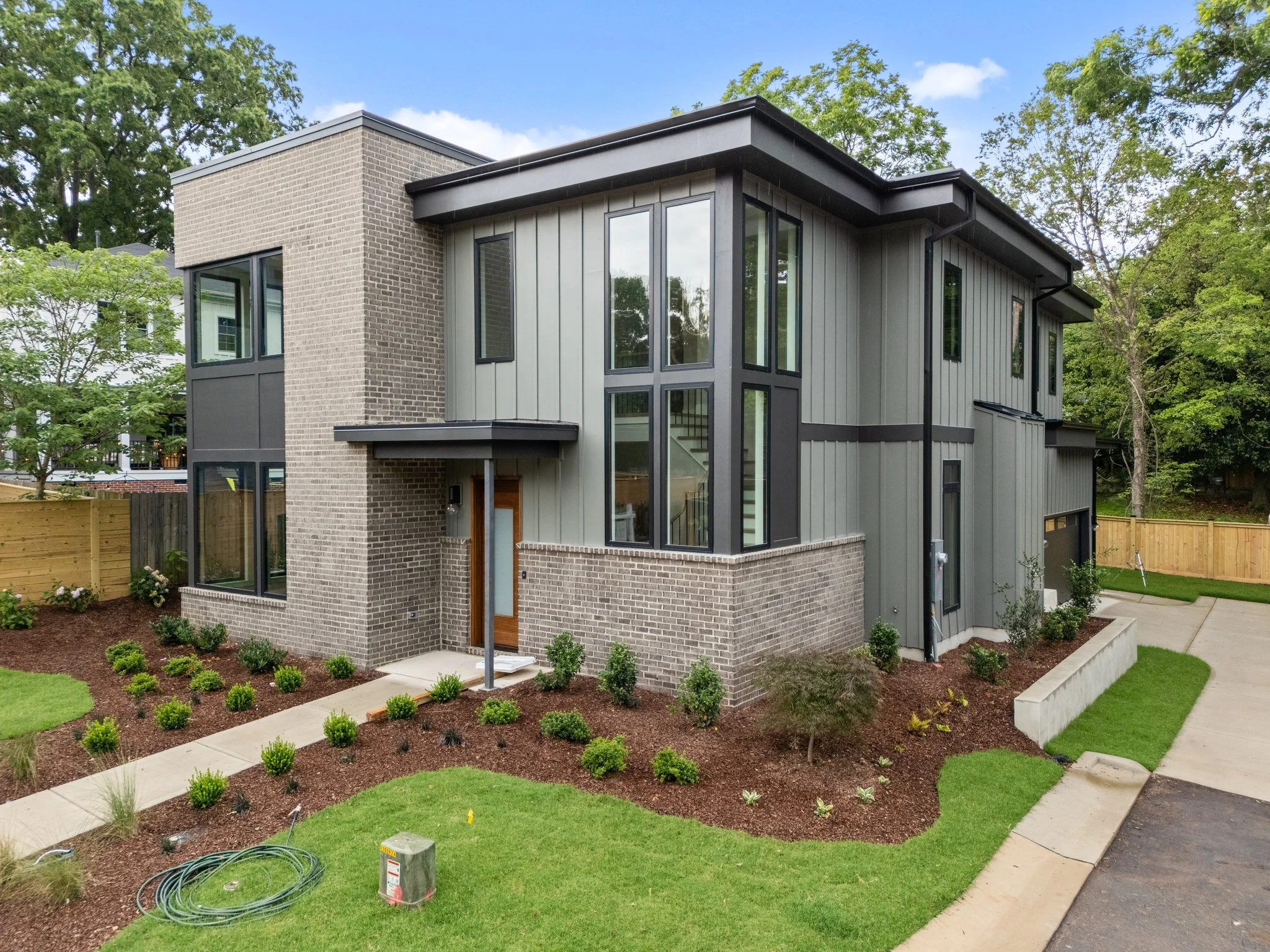
Raleigh is the largest city in the Triangle and the seat of state government, and it carries the infrastructure, cultural amenities, and institutional presence that comes with that status. The city's museum corridor is exceptional. Its restaurant scene has matured significantly. Its corporate employment base is broad and diversified, spanning state government, health systems, financial services, and an expanding tech sector anchored by proximity to RTP.
For buyers seeking a premium residential experience — particularly in established neighborhoods like Hayes Barton and Five Points — Raleigh's ITB market is unmatched in the Triangle for architectural character, neighborhood density, and long-term value stability.
Durham: Creative Energy and Genuine Character
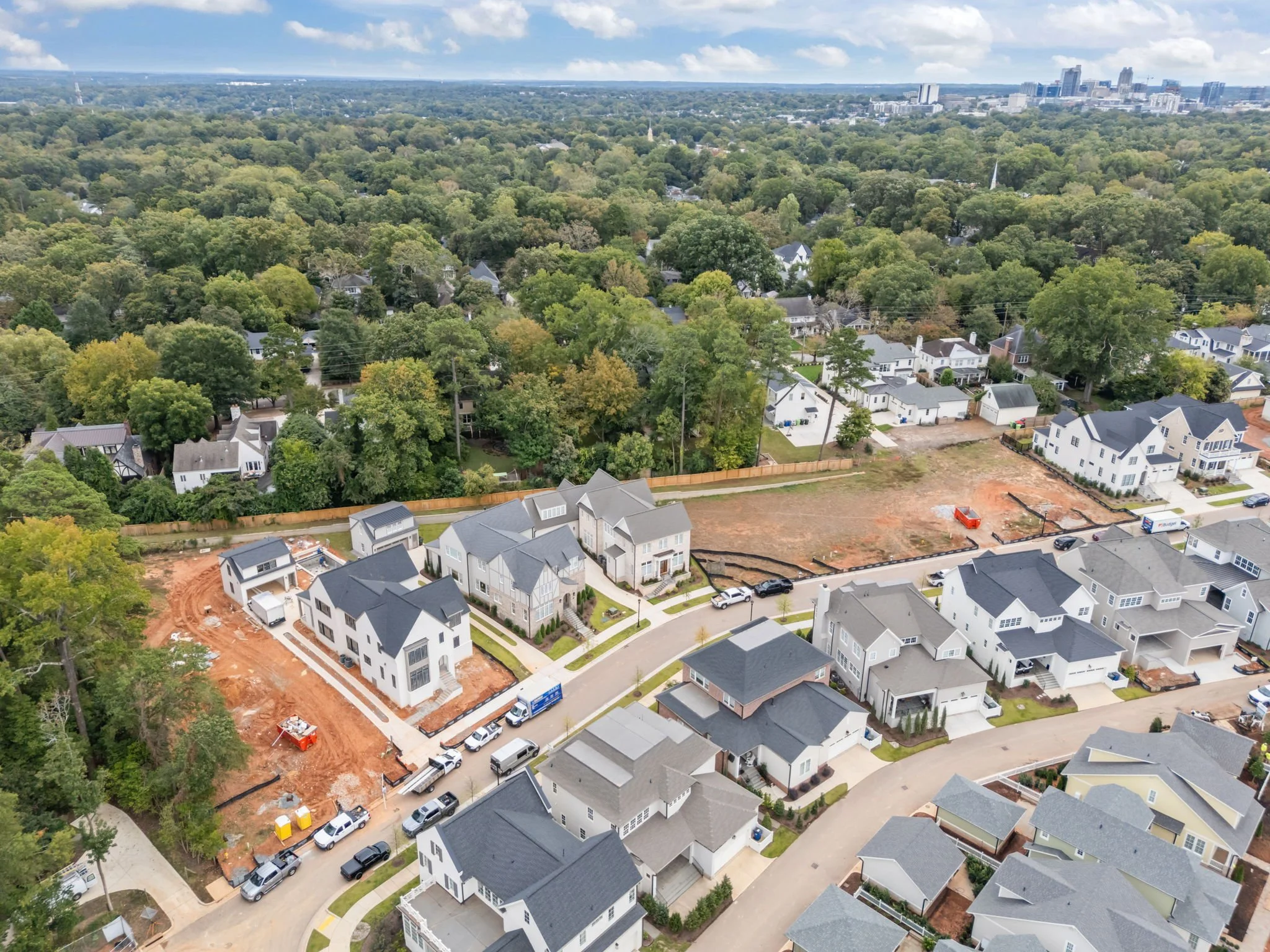
Durham has undergone one of the more dramatic urban transformations of any mid-sized American city over the past two decades. The American Tobacco Campus, the Durham Bulls Athletic Park, and a restaurant and bar scene that has attracted national attention have repositioned Durham from a city with significant challenges to one with genuine creative energy and cultural vitality.
Durham's real estate tends to offer more value per square foot than comparable Raleigh properties, which makes it attractive to buyers who prioritize urban texture and cultural density over neighborhood prestige. Duke University and the Durham VA Medical Center anchor major employment, and the life sciences corridor brings significant professional inflow.

Chapel Hill: University Town With Enduring Appeal
Chapel Hill is defined by UNC-Chapel Hill in a way that Raleigh and Durham are not defined by their universities. This creates a particular atmosphere — intellectually rich, walkable in the areas near campus, and home to one of the most consistently beloved communities in North Carolina. The trade-off is that Chapel Hill is smaller, less economically diverse, and offers a more limited housing inventory than either Raleigh or Durham.
For buyers with UNC affiliations or a strong preference for the university town atmosphere, Chapel Hill holds enduring appeal.

Commute and Connectivity
The Triangle's growth has strained its transportation infrastructure, and commute times between cities have increased meaningfully over the past decade. Buyers who will regularly travel between RTP and downtown Raleigh, or between Durham and North Raleigh, should think carefully about where along that corridor they want to live — and what their daily commute will actually look like at 8 AM and 5 PM.
Our Honest Advice
We are a Raleigh boutique, and our deepest expertise is in Wake County's premium market. But we also believe our clients deserve honest counsel, and sometimes that means acknowledging that a different city in the Triangle might serve them better. If you're genuinely weighing options across the Triangle, we'd love to have that conversation — and we can point you toward trusted colleagues in Durham and Chapel Hill if that's ultimately the right direction.

Looking to make your next move in Raleigh?
CONTACT USDiscover how Insight’s boutique approach and deep local expertise can help bring your real estate goals to life.