
Understanding Raleigh's Zoning: What Every Buyer and Investor Should Know
Zoning Is the Invisible Framework of Real Estate Value
Most buyers never think about zoning until they want to do something with their property — add a garage apartment, subdivide a large lot, or develop a piece of land they've acquired as an investment. At that point, zoning moves from background context to front-and-center reality, sometimes with significant financial consequences.
Buyers who understand zoning before they buy are far better positioned — both to avoid unpleasant surprises and to identify opportunities that less-informed buyers overlook.
The Basics of Raleigh Zoning
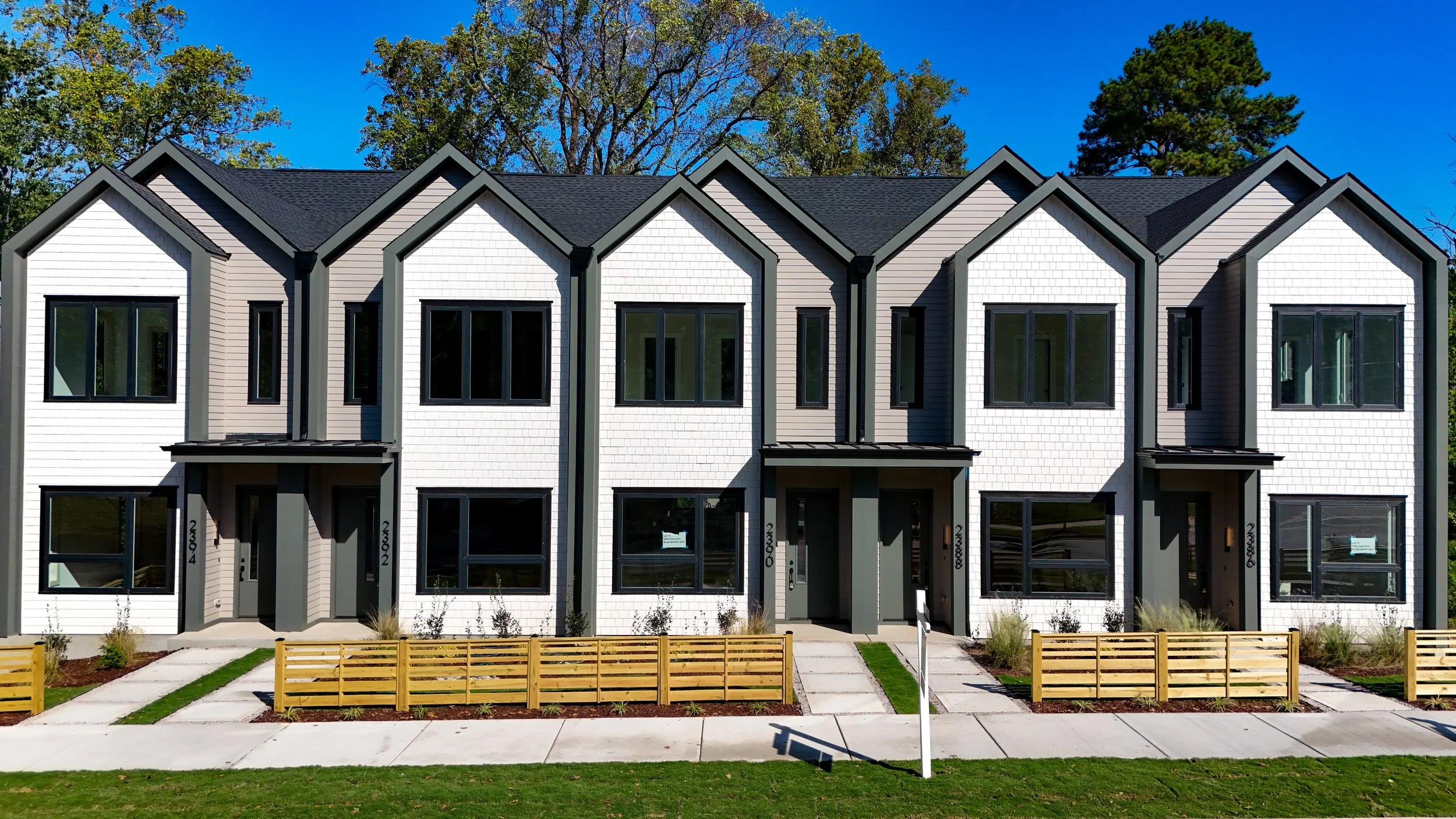
The City of Raleigh uses a Unified Development Ordinance (UDO) that governs land use across the city. Residential zoning designations range from single-family only districts to mixed-use zones that allow a variety of residential and commercial uses. The specific zoning of any property determines what can be built on it, how close structures can be to property lines, how many dwelling units are permitted, and what non-residential uses are allowed.
Wake County's unincorporated areas have their own zoning ordinances, distinct from the City of Raleigh's UDO. Properties in Cary, Apex, Holly Springs, and other municipalities are governed by their own codes. Your agent should be comfortable navigating all of these, or have trusted resources who can.

ADUs: An Increasingly Important Category
Accessory Dwelling Units — garage apartments, carriage houses, backyard cottages — have received significant regulatory attention in Raleigh over the past few years, with the city expanding their permitted use in more residential zones. For buyers interested in rental income, multigenerational living, or long-term flexibility, understanding whether a specific property allows ADU development can meaningfully affect its value and utility.
This is a nuanced area that changes as regulations evolve. Your agent should either have current knowledge of ADU regulations or be willing to research the specific situation for any property you're serious about.
Zoning and Investment Property
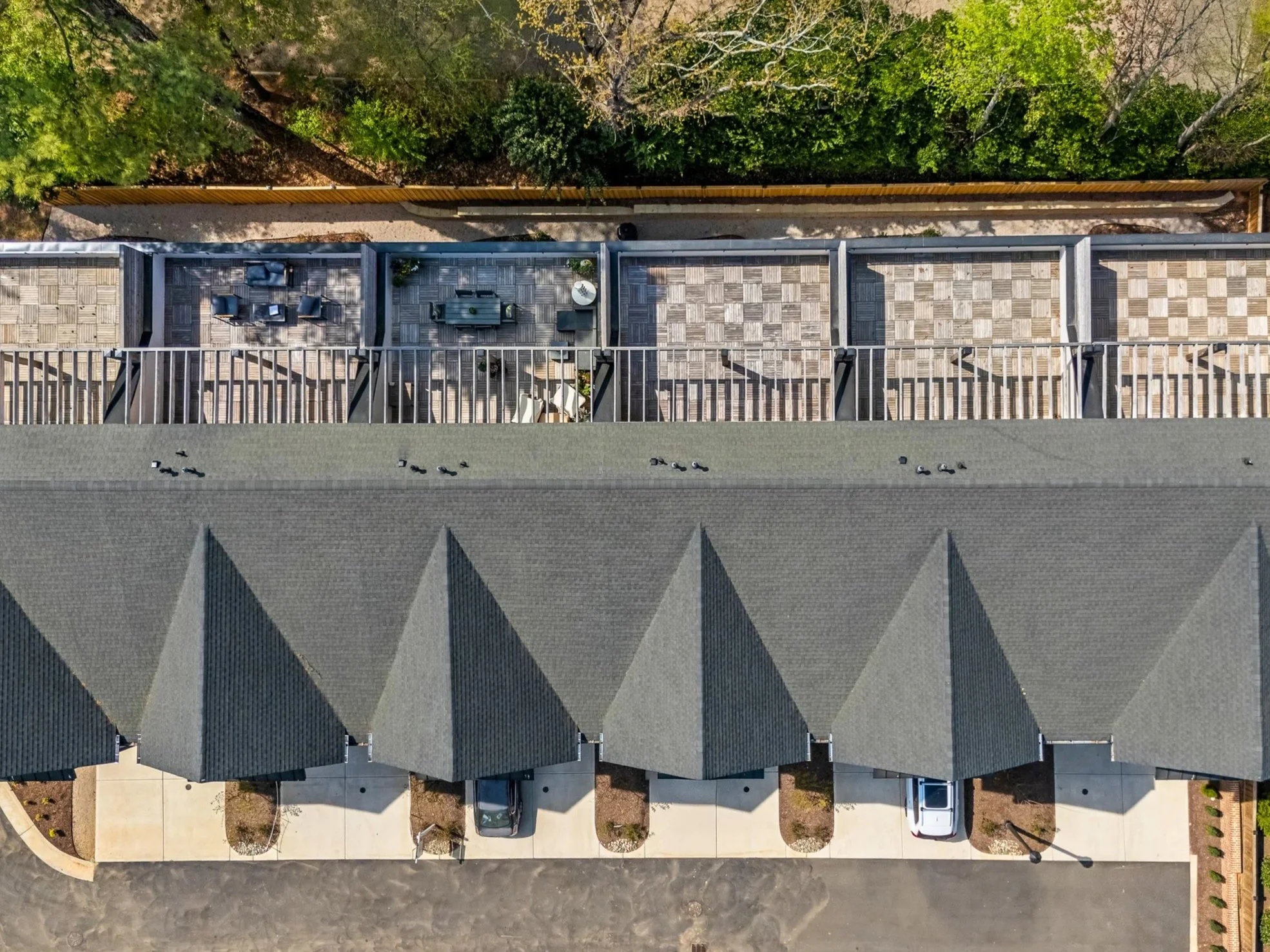
For investors, zoning is the first lens through which to evaluate any acquisition. A lot zoned for single-family residential in an area where comparable lots are being rezoned for multi-family is a very different investment than its current use suggests. Conversely, a property purchased with development assumptions that don't survive a zoning review can become an expensive lesson.
Insight's experience in land acquisition and development means we approach zoning with genuine expertise. We've navigated entitlement processes, worked with city planners on development proposals, and helped clients understand the regulatory landscape before they commit capital.
Protect Yourself With Due Diligence
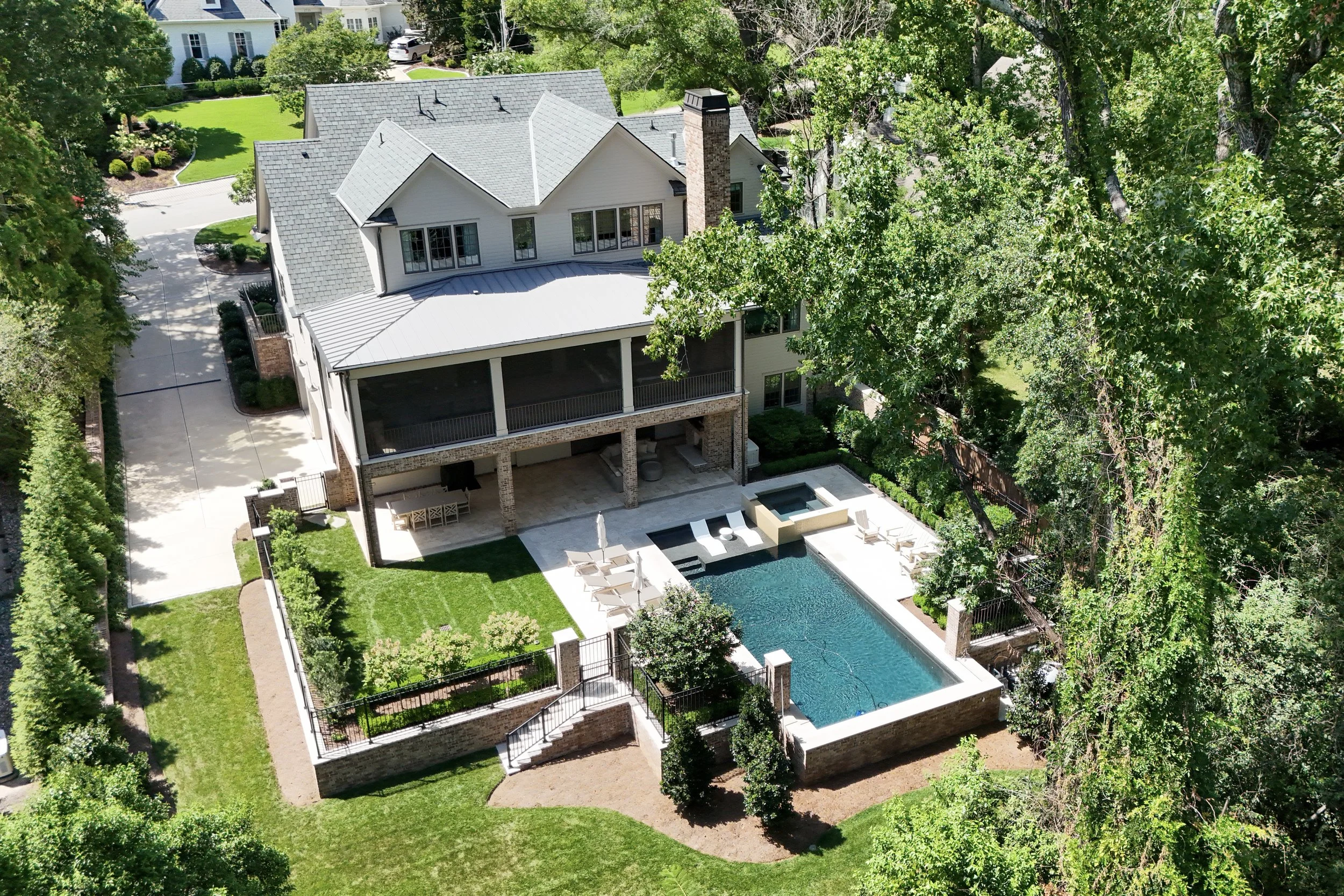
For any property where zoning matters — development potential, renovation plans, rental income strategy — verify the specific zoning classification and confirm your intended use is permitted before you close. Your real estate attorney will typically conduct a title search but may not proactively flag all zoning implications. Ask specifically.
This is one of many areas where working with a knowledgeable, proactive agent pays dividends that go well beyond the transaction itself.


Looking to make your next move in Raleigh?
CONTACT USDiscover how Insight’s boutique approach and deep local expertise can help bring your real estate goals to life.